Everything You Need to Know About Hash Browns
Hash browns are a beloved breakfast staple, known for their crispy texture and savory flavor. Whether you're savoring them alongside a stack of pancakes or as part of a hearty diner meal, these golden fried potato patties bring warmth and comfort to the table. But beyond their delicious taste, hash browns also offer versatility in cooking, nutrition, and even branding opportunities. This article explores the world of hash browns — from their origins and preparation methods to how they can be used creatively in both food and design.
The Origins and Evolution of Hash Browns
The term "hash brown" traces its roots back to the 19th century when cooks began making dishes by "hashing up" leftover ingredients into something new and flavorful. The original hash brown was likely made with leftover roasted potatoes, which were then pan-fried into a flat patty. Over time, this dish evolved, especially in American diners where it became a go-to side item. Today, hash browns come in various forms — from thin and crispy to thick and fluffy — and are often associated with classic breakfast fare.
How Are Hash Browns Made?
Making hash browns at home is simple but requires attention to detail. The most common method involves grating raw potatoes, squeezing out the excess moisture, and then frying the shreds into a solid, golden-brown patty. Some recipes call for adding onions, garlic, or cheese for extra flavor, while others prefer a purist approach with just salt and pepper. Commercially, hash browns are often pre-cooked and frozen, allowing for quick reheating without sacrificing much of their crunch.
For those who want to elevate their hash brown game, experimenting with different types of potatoes (like Russet or Yukon Gold), seasonings, and cooking techniques can lead to exciting variations. Baking instead of frying, for instance, offers a healthier option that still delivers a satisfying bite.
Why Hash Browns Are More Than Just a Breakfast Staple
While many people associate hash browns with morning meals, their adaptability makes them suitable for any time of day. They serve as an excellent base for loaded breakfast bowls, can be topped with chili for a lunchtime favorite, or even used as a unique garnish in gourmet dishes. Their ability to absorb flavors and complement other ingredients makes them a favorite among chefs and home cooks alike.
Key Features of Hash Browns
- Crispy Texture: A well-made hash brown has a satisfying crunch on the outside and a soft interior.
- Customizable Flavors: Easily enhanced with herbs, spices, cheeses, or meats.
- Convenient Prep: Available in fresh, frozen, and dehydrated forms for quick cooking.
- Nutritious Base: Potatoes provide essential nutrients like potassium, fiber, and vitamin C when prepared properly.
Hash Browns in Culinary and Branding Contexts
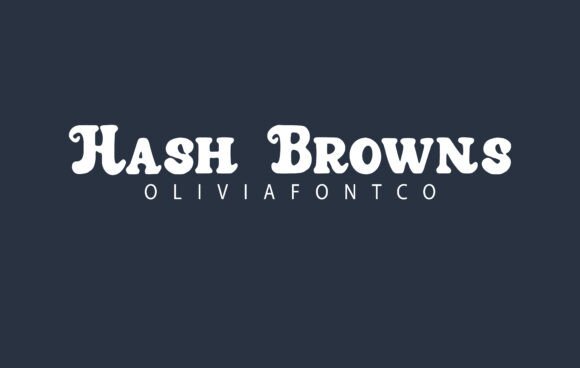
Hash Browns isn't just a dish — it's also the name of a font style that captures the essence of retro charm and approachable design. The Hash Browns font features a warm, rounded serif style that evokes nostalgia while maintaining a friendly, inviting appearance. It’s ideal for use in diner-style menus, foodie branding, and projects that aim to create a cozy, vintage aesthetic.
Where Can You Use the Hash Browns Font?
The Hash Browns font is particularly useful in the following contexts:
- Restaurant Menus: Especially in casual eateries, cafes, or retro-themed diners looking to give their branding a nostalgic feel.
- Food Packaging: Perfect for labeling products like baked goods, snacks, or coffee blends that benefit from a handcrafted look.
- Marketing Materials: Great for posters, flyers, and social media content targeting audiences who appreciate vintage aesthetics.
- Event Branding: Ideal for themed events such as brunch parties, retro festivals, or pop-up food trucks.
Evaluating the Right Use for Hash Browns
Before deciding to incorporate hash browns or the Hash Browns font into your project, consider the audience and purpose. For example, using the font in a modern corporate website might not align with the brand identity, whereas pairing it with a family-run diner menu could enhance authenticity and appeal.
Similarly, when choosing to include hash browns in a meal plan, think about dietary needs and preferences. While they are a great source of carbohydrates and fiber, overcooking or excessive oil can negate some of their nutritional benefits. Offering a baked or air-fried version may help balance indulgence with health-conscious choices.
Strengths and Considerations
The Hash Browns font excels in visual storytelling, offering a sense of familiarity and warmth. Its playful yet professional tone can make branding more relatable, especially for businesses in the food industry or lifestyle brands aiming for a vintage vibe. However, it may not be the best choice for long-form reading due to its decorative nature. Always test readability in context before finalizing design decisions.
In culinary terms, hash browns are loved for their versatility and ease of preparation. They’re a crowd-pleaser that can be adapted to suit various tastes and dietary restrictions. Yet, achieving the perfect texture requires practice — too much moisture leads to soggy results, while under-seasoning can leave the dish bland.
Real-World Applications and Scenarios
Let’s explore a few real-world examples of how hash browns and the Hash Browns font can be applied practically:
- Family-Owned Diner: A local eatery uses the Hash Browns font on its chalkboard-style menu to highlight signature items like their “Big Stack Hash Brown Special.” The font adds character and helps set the tone for a welcoming, old-school atmosphere.
- Breakfast Food Truck: The truck owner designs promotional materials using the Hash Browns font, giving the brand a recognizable, fun look that stands out in the bustling food scene.
- Home Cooking Enthusiast: A food blogger shares a recipe for vegan hash browns using almond milk and nutritional yeast. The post includes images styled with the Hash Browns font to reinforce the cozy, homemade vibe.
- Product Packaging: A company selling organic hash brown mix uses the font on their packaging to emphasize a natural, artisanal quality that appeals to health-conscious consumers.
Practical Tips for Using Hash Browns and the Font
Whether you're working with the actual dish or the font style, here are some tips to help you get the most out of your project:
Cooking Hash Browns
- Use starchy potatoes like Russets for the best texture.
- Squeeze out as much moisture as possible to avoid sogginess.
- Experiment with seasonings and add-ins to personalize the flavor profile.
- Consider baking or air-frying for a lighter alternative.
Designing with the Hash Browns Font
- Limit usage to headlines or short text to maintain legibility.
- Pair with a clean sans-serif font for body text to ensure contrast and clarity.
- Test the font on different screens and print materials to confirm it works across formats.
- Use sparingly in digital interfaces to avoid overwhelming the user experience.
Conclusion: Hash Browns, Then and Now
From the kitchen to the design board, hash browns continue to hold a special place in our culture. As a food item, they represent comfort, convenience, and creativity. As a font, Hash Browns brings a touch of nostalgia and personality to branding efforts. Understanding how to use each form effectively allows you to connect with your audience in meaningful ways.
So next time you’re flipping through a menu or designing a logo, remember the power of hash browns — whether you're serving them up hot or stylized beautifully on screen. With the right approach, they can become a valuable part of your toolkit, bringing warmth, flavor, and charm to your projects.