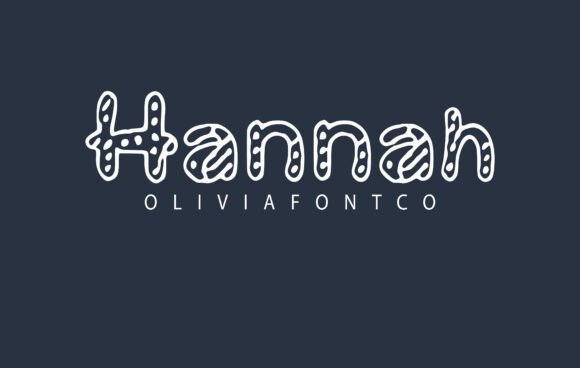
Hannah: A Decorative Delight for Creative Expression
When it comes to adding charm and character to designs, few things capture attention like personalized typography. Enter Hannah, a unique and expressive font that brings a touch of whimsy and warmth to any project. Each letter in Hannah is more than just a shape—it’s a canvas for creativity, featuring charming inner doodles that transform the ordinary into the extraordinary. Whether you're a designer, educator, or small business owner, understanding what makes Hannah stand out can help you make better choices when it comes to branding, crafts, and stationery.
The Personality Behind the Letters
Hannah is not your typical decorative font. What sets it apart is the subtle yet distinctive detail within each character. The inner lines of the letters are filled with playful doodles—tiny hearts, stars, flowers, and even miniature animals—that add an element of surprise and delight. This design choice makes the font feel alive, inviting viewers to linger and explore its intricacies.
The result is a font that doesn’t just look good but feels good too. It conveys a sense of joy, innocence, and artistic flair that's especially appealing in kid-focused environments. For professionals working in education, retail, or content creation, this emotional resonance can be a powerful tool in engaging audiences.
Why Doodles Matter in Typography
- Visual Interest: The doodles inside each letter break up the monotony of standard fonts, making text more eye-catching.
- Emotional Connection: These tiny illustrations evoke a sense of fun and playfulness, which is ideal for brands targeting children or families.
- Brand Identity: Hannah helps create a memorable visual identity by offering a unique aesthetic that stands out from generic typefaces.
Ideal Applications for Hannah
While Hannah is visually rich, it’s also versatile enough to suit a variety of creative needs. Here are some of the most effective ways this font can be used:
Kid-Focused Branding
Brands that cater to children benefit greatly from using Hannah. Its soft curves and cheerful details align perfectly with the tone of educational toys, children's books, and family-friendly products. Think about how a simple logo becomes instantly more endearing when the text includes little birds flying through the letter “H” or butterflies resting on the “A.”
Creative Crafts and DIY Projects
If you're into crafting, Hannah can elevate your work from basic to brilliant. Use it in handmade greeting cards, scrapbooking, or custom stickers where personality is key. The font works especially well with watercolor backgrounds or pastel color palettes, enhancing the overall whimsical vibe.
Sweet Stationery and Invitations
Weddings, baby showers, and birthday parties all have a theme—why not let your invitations reflect that? Hannah adds a personal and artistic touch to printed materials without being overly complicated. It’s perfect for hand-drawn-style event invites, thank-you notes, and other stationery items that require both elegance and charm.
Online Content and Social Media
For digital creators, Hannah can be a great asset when designing headers, banners, or social media posts. While it may not be suitable for large blocks of text due to its decorative nature, it shines in short phrases and titles that need to grab attention quickly. Pair it with minimalist layouts to let the font take center stage without overwhelming the viewer.
Strengths and Practical Considerations
Like any design tool, Hannah has its strengths and limitations. Understanding these can help you decide if it’s the right fit for your next project.
What Makes Hannah Unique
- High Visual Appeal: The combination of cursive style and inner doodles gives it a distinctive look that’s hard to replicate.
- Easy to Read at a Glance: Despite its ornate details, the font remains legible in larger sizes, making it suitable for headlines and signage.
- Adaptable to Various Styles: From cute and colorful to elegant and muted, Hannah can be tailored to match different aesthetics depending on the context.
Things to Keep in Mind
- Use Sparingly: Because of its intricate design, overusing Hannah in long paragraphs or dense text can reduce readability and overwhelm the reader.
- Consider Accessibility: Decorative fonts like Hannah may not render clearly on all devices or screen resolutions, so it’s important to test how it looks across platforms.
- Complementary Design Elements: To balance its complexity, pair Hannah with clean layouts, ample white space, and simple supporting graphics.
Real-World Scenarios and Uses
To better understand how Hannah fits into practical applications, here are a few real-world examples:
Children's Book Publishers
A publisher looking to launch a new line of picture books might use Hannah for chapter titles or promotional materials. The font’s playful nature aligns with the target audience and enhances the storybook atmosphere. Imagine a title page with the word “Hannah” styled in the font itself, each letter blooming with tiny flowers or hiding a friendly animal.
Educational Craft Kits
Companies selling craft kits for kids often rely on vibrant, engaging visuals. Using Hannah for packaging labels, instructions, or themed tags (like "Let's Create Together!") can make the product more appealing and foster a sense of excitement around the activity.
Small Business Owners in Retail
A boutique specializing in handmade goods or children's wear could leverage Hannah in their branding. Store signs, product labels, or social media graphics using this font would immediately convey a warm, approachable vibe. The added doodles give the brand a homegrown, artisanal feel that resonates with customers seeking authenticity.
Event Planners and Wedding Coordinators
For those who plan events with a romantic or whimsical theme, Hannah offers a fresh alternative to traditional script fonts. Used in save-the-date cards, menu headings, or photo captions, it adds a personal and artistic flair that complements floral arrangements, vintage décor, or rustic settings.
Evaluating Hannah for Your Project
Before incorporating Hannah into your design work, consider the following factors to ensure it meets your needs:
- Tone and Audience: Is your message playful and child-friendly, or does it require a more formal presentation? If the former, Hannah is a strong contender.
- Design Complexity: Will the font complement or clash with your existing visual elements? Test it alongside your layout before finalizing.
- Print vs. Digital: How will the font appear in print? High-quality printing ensures the doodles remain visible and sharp.
- Brand Consistency: Does Hannah align with your brand's voice and style? If your brand is known for minimalism, this font might not be the best fit.
Testing Tips
Here’s how to evaluate Hannah effectively:
- Create sample mockups using different colors and backgrounds to see how the font reacts visually.
- Test it in various sizes—from large headlines to smaller tags—to determine its usability range.
- Get feedback from your target audience. Show them the design and ask if the font enhances the message or distracts from it.
- Ensure compatibility with your design software. Some programs may not support certain features of decorative fonts.
Alternatives to Consider
While Hannah is a standout option for many uses, there are times when another font might be more appropriate. For example:
- Formal Events: A more classic script font like Great Vibes or Allura might offer a refined look without the playful edge of Hannah.
- Minimalist Brands: Fonts such as Lato or Open Sans provide clarity and simplicity, which can contrast nicely with the detailed nature of Hannah.
- Large Text Bodies: If you’re writing lengthy articles or guides, stick with sans-serif or serif fonts that prioritize readability over decoration.
Always choose a font based on the message you want to convey and the experience you wish to create for your audience.
Where to Find and Use Hannah
Hannah is typically available through font marketplaces or directly from designers who specialize in custom typography. When downloading or purchasing, make sure to check licensing agreements to confirm whether it’s suitable for commercial use, web projects, or print materials.
Once you’ve acquired the font, you can integrate it into your workflow using graphic design tools like Adobe Photoshop, Illustrator, or Canva. For web designers, embedding Hannah via Google Fonts or similar services allows for easy implementation while maintaining visual consistency across devices.
Pro Tip: Pair with Complementary Fonts
To avoid overwhelming your design, pair Hannah with a simpler, more readable font. For instance, use it for headings and a clean sans-serif like Montserrat for body text. This contrast helps guide the viewer’s eye and maintains a professional appearance while still allowing for creative expression.
Final Thoughts on Hannah
Hannah isn't just a font—it's an experience. Each letter carries a sense of individuality and charm that makes it perfect for creative projects aimed at younger audiences or those seeking to infuse personality into their designs. However, like any tool, it should be used thoughtfully and strategically.
Whether you're designing a birthday card, branding a children's toy line, or creating eye-catching social media content, Hannah offers a way to bring joy and uniqueness to your work. But remember, the best design decisions come from understanding your audience and the purpose behind your message. Always start with the user in mind and let the font serve the story you're trying to tell.